
 SK
SK  EN
EN Work/adastra-gen-z
Pilot finished and handed overAdastra · Gen Z Marketing
I was sitting at Adastra between projects, so instead of waiting I asked for the company Instagram. In two months monthly reach went from five thousand to twenty six thousand views. Not one euro of it was paid promotion.
- Obsah
- Video
- Dosah
- Prehľady
- 5K → 26K
- monthly views, the last jump inside a single month
- 70,8 %
- of reach from non-followers
- 2 days a month
- the entire time it took
Why this is on a site about systems
Because it is the one thing in the portfolio nobody ordered.
Every other project here starts the same way: a client turned up with a problem. This one went the other direction. I was sitting at Adastra between projects, waiting to be staffed, and instead of waiting longer I went looking for something the company was visibly getting wrong, and asked to take it over.
If you are weighing up whether to have me build you a system, that tells you more than any screenshot of code. I do not need a brief to find where something hurts.
What the account was doing before
Adastra is a consultancy with over a thousand people. The company Instagram existed, had a little over two hundred and seventy followers, and ran in maintenance mode: formal photos from company events, a volleyball tournament, chess, group shots from conferences. Around five thousand views a month.
The content was not bad. It was just completely invisible to the person who was supposed to show up.
The problem behind it is real and it applies to any company hiring young people today. IT talent under twenty five is not on LinkedIn. It is on Instagram and TikTok. The company has a profile there because you have to, but it speaks in the language of an annual report and then wonders why nobody answers.
What I changed
One thing: we stopped showing the company and started showing the people inside it.
Instead of event photography, short Reels from an ordinary day. The kitchen, the coffee, what people text each other, the small jokes that work in every office on earth. Nothing scripted, nothing lit, nothing that had to clear a marketing approval.
This was not a hypothesis I invented. It came out of what the account already had: formal videos got hundreds of views, anything slightly personal got thousands. All I had to do was stop ignoring that.
Month by month
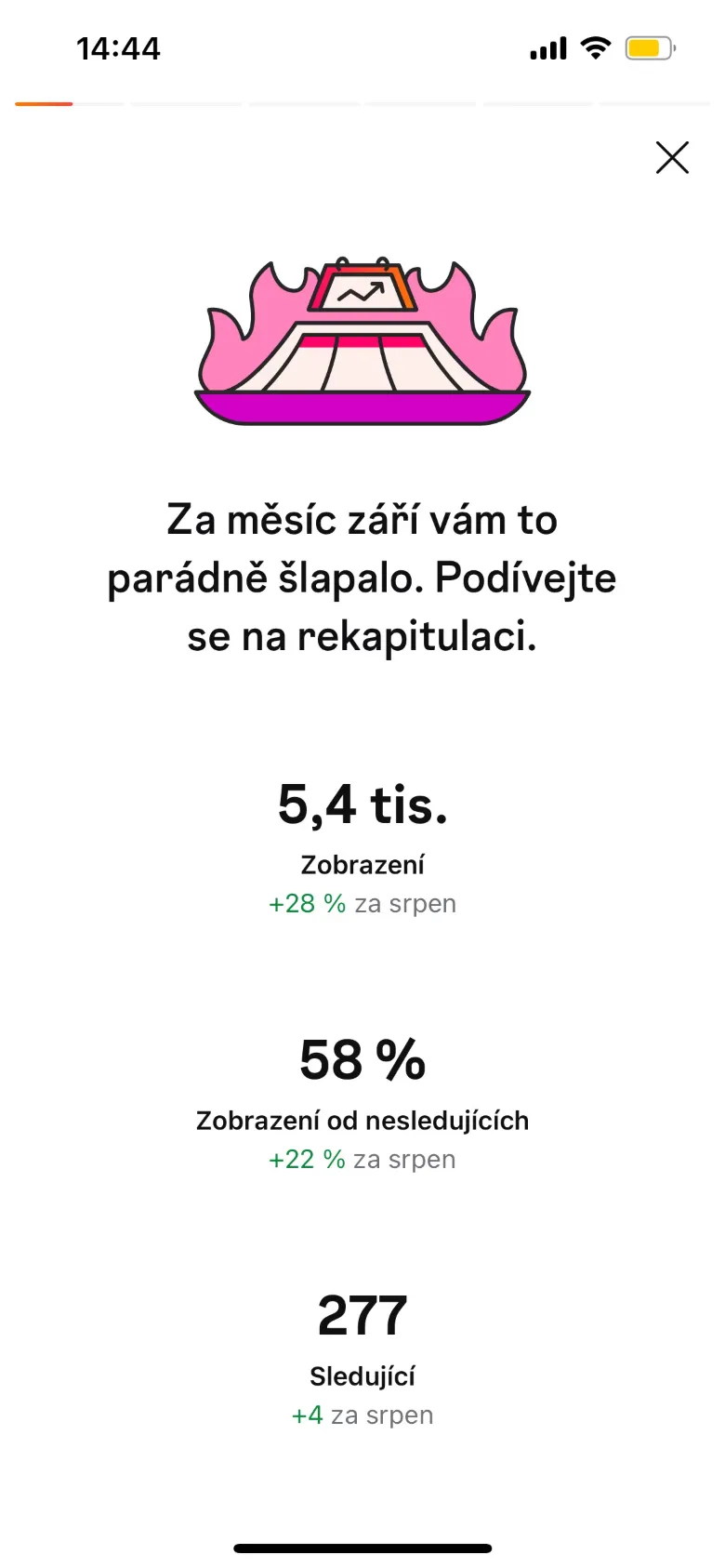
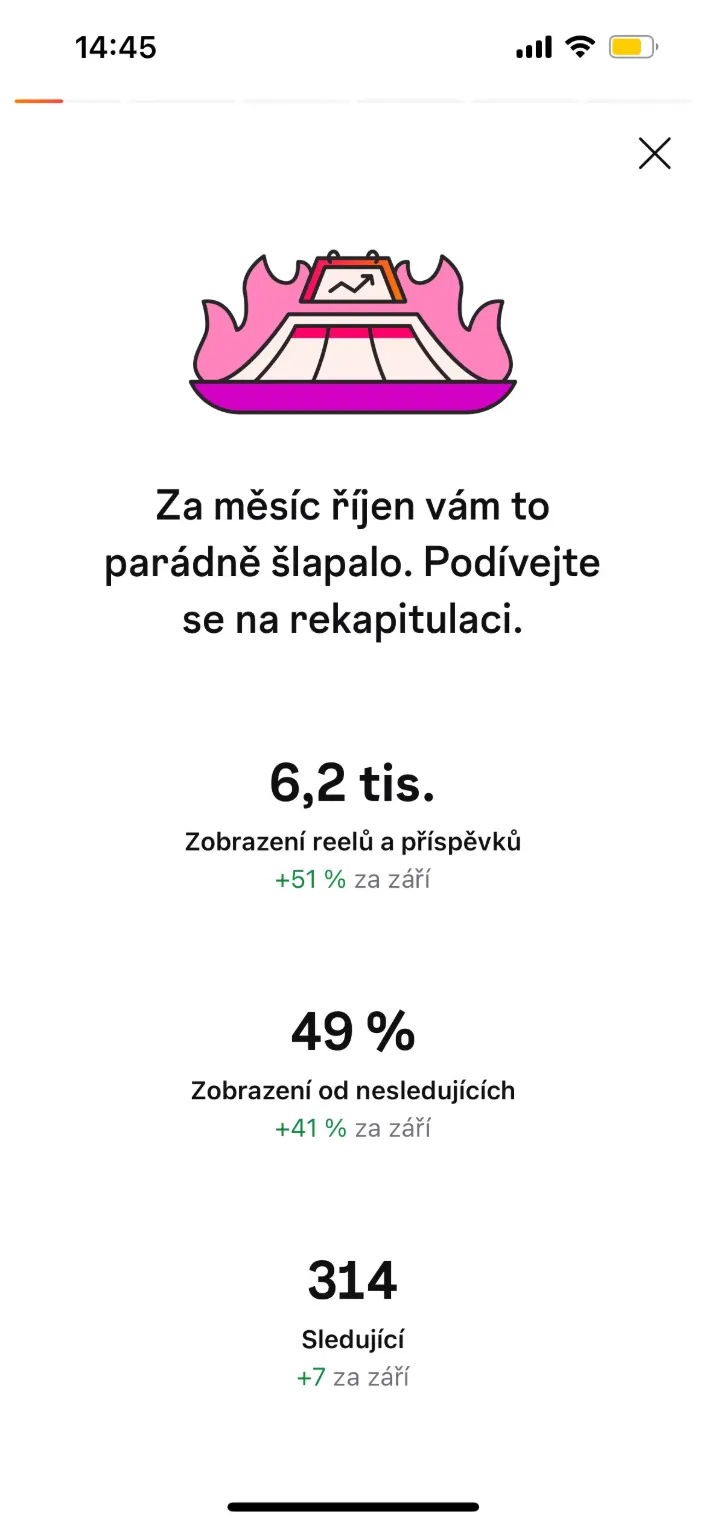
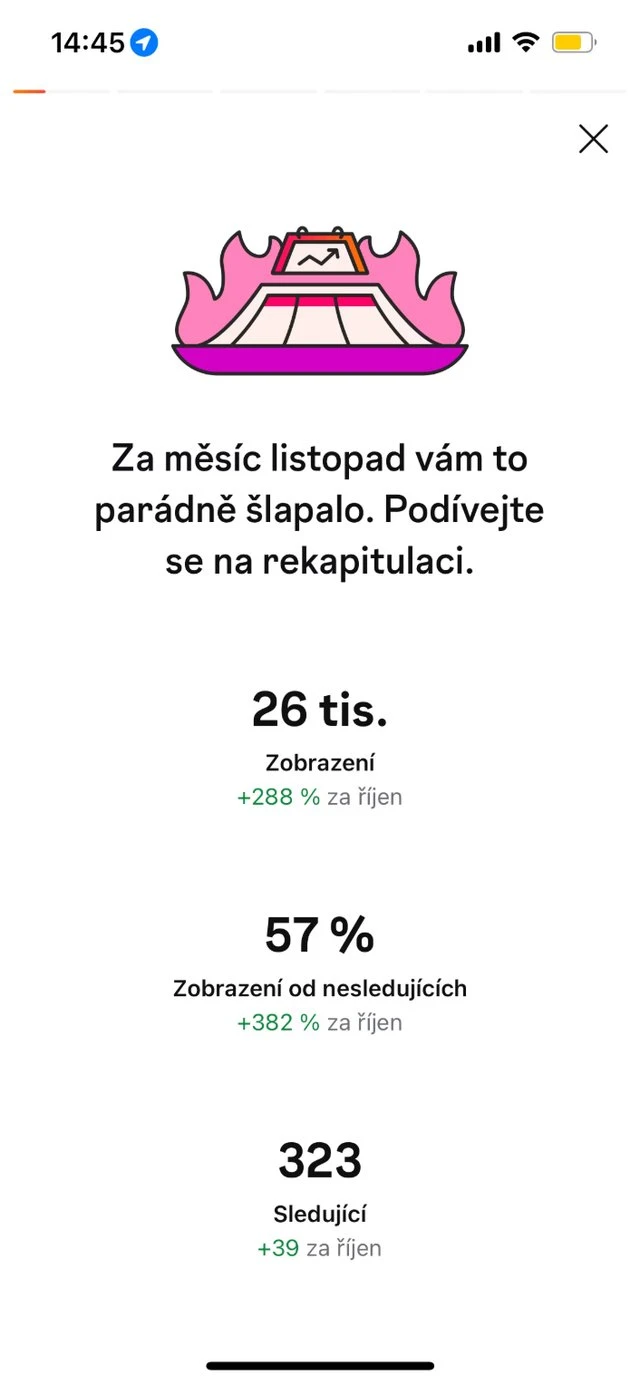
September and October are here so you can see the starting point. September was run by a colleague, I was not on it yet: 5,400 views. I took the account over in the middle of October and we managed to get one more post out before the month ended. October closed at 6,200.
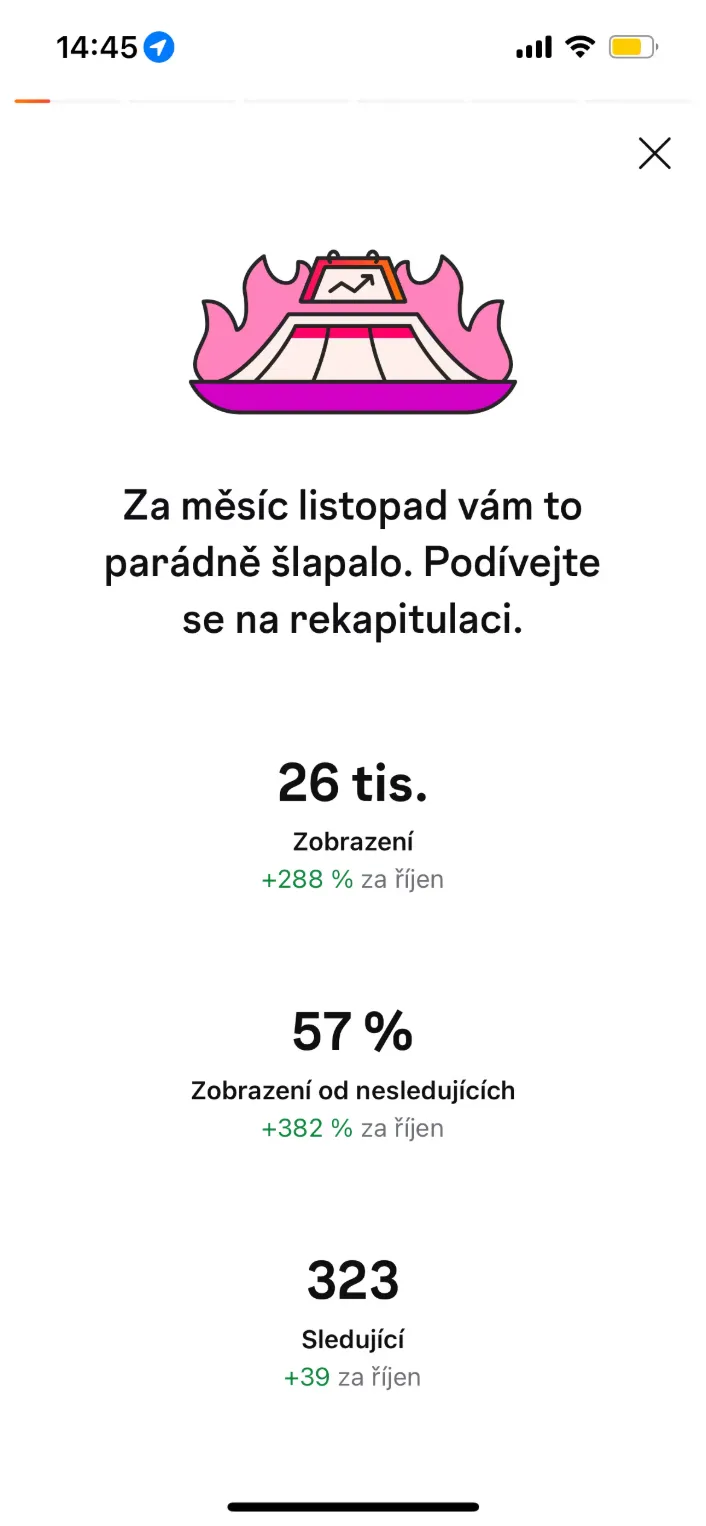
November was the first month I led. We made the content together with a colleague, and I put two focused days a month into it. It closed at 26,000 views, a rise of two hundred and eighty eight percent in a single month. Views from people who did not follow the account jumped by three hundred and eighty two percent.
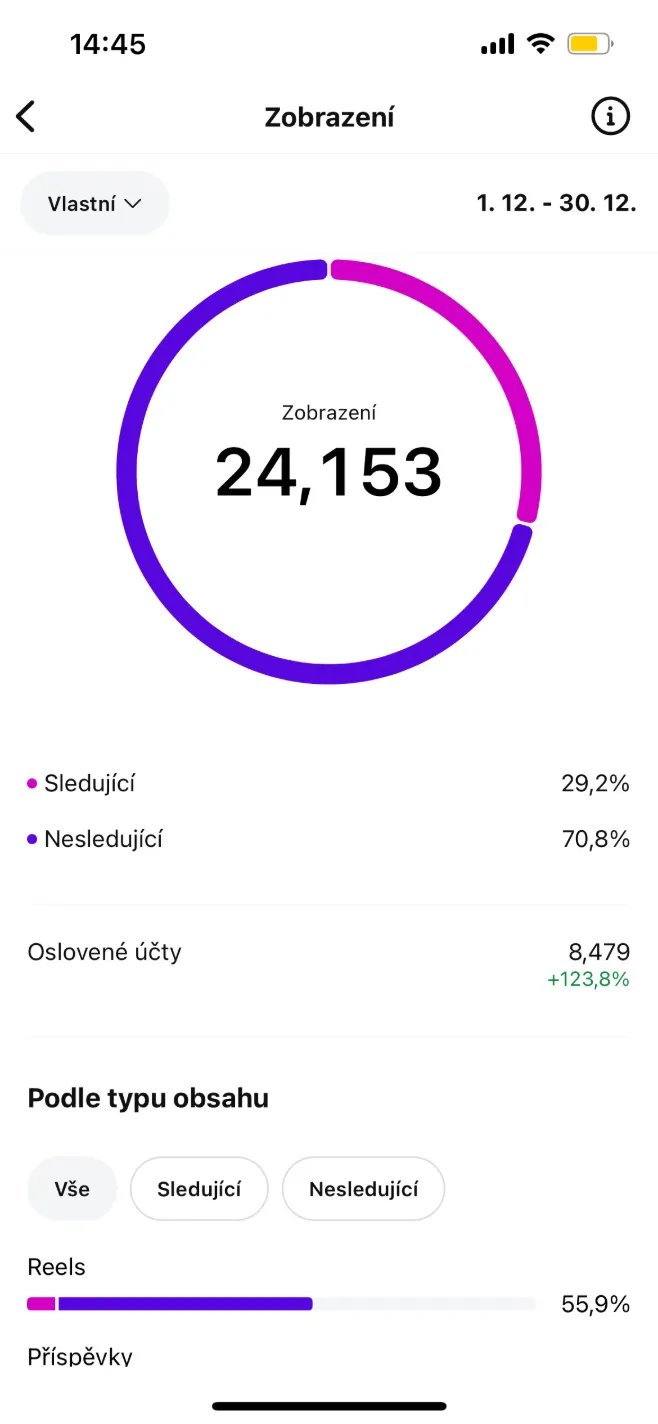
December landed at 24,153 views. That number matters more than the November record, because it shows this was not one lucky shot. Accounts reached came to 8,479, more than double November.
What it cost
Two allocated days a month. No production budget, no equipment beyond a phone, no actors, no agency.
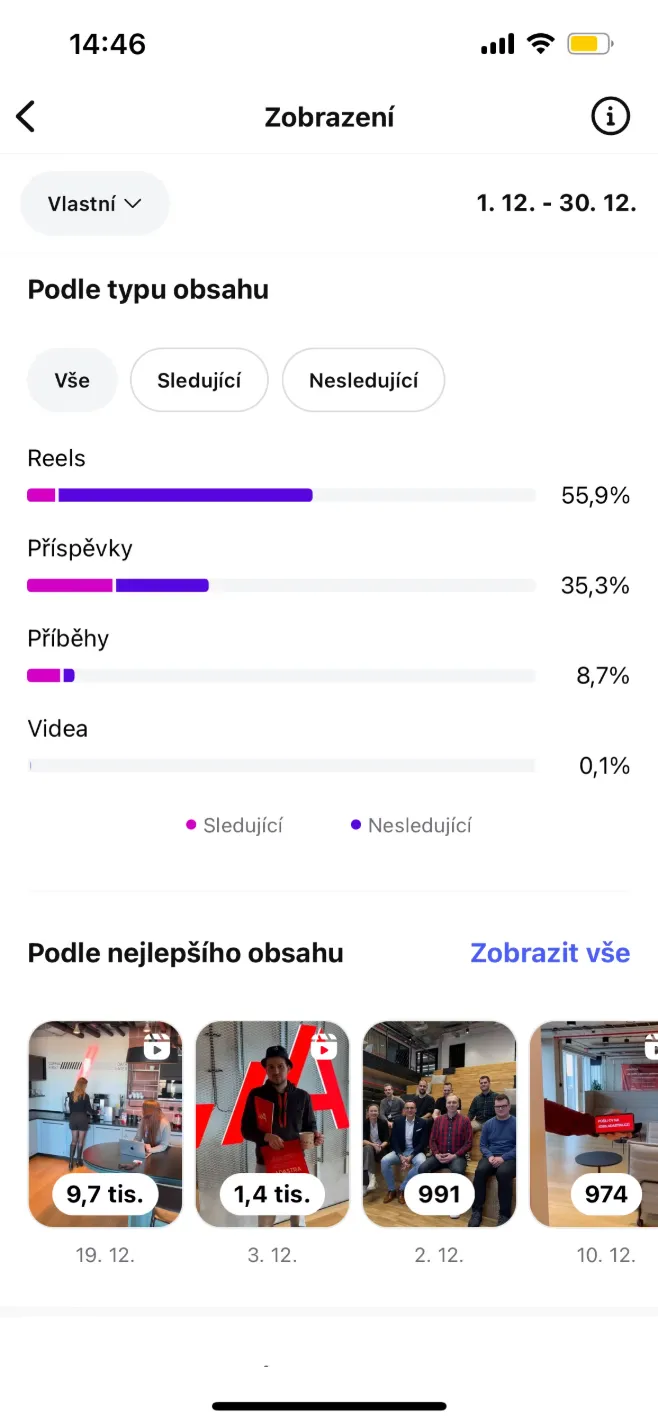
The strongest piece of content was a plain video from the office kitchen shot on a phone: 9,700 views. A properly produced corporate video on the same account did hundreds. Those two numbers sit side by side on one profile, in one period, in front of the same audience, and they say fairly clearly what reach is actually bought with.
What those numbers actually prove
I will put this carefully, because I like numbers that survive a second question.
I am not going to tell you one particular reel caused the growth, or that the same thing would work at any company. Instagram was changing what it showed people over that period, and part of the rise is down to the algorithm pushing short video everywhere at the time.
What is hard to argue with: seventy percent of the reach came from people who did not follow the account. That is not a reward for trying harder. It means the content left the bubble of the company own employees and reached strangers, which is the entire reason the account exists.
And a second thing that holds without any caveat: followers went from 277 to 323, so forty six people. Reach grew fivefold. Those two numbers do not match, and that mismatch is the whole difference between building an audience and building reach. For recruitment you need the second one.
Why it belongs here anyway
Two months of it were mine. Then I left Adastra to work for myself and somebody else took the account over. You can look at the profile at instagram.com/adastra.czech, though it runs differently now than when it was mine.
One thing stays, and it has more to do with websites and systems than it looks.
The small companies I build for are solving exactly this, at a different scale. A bike workshop does not need more followers, it needs to be found by someone who has never heard of it. That is not a different job from the one I do on websites through search engines and language models. It is a different channel.
Honesty beats production value. That holds on Instagram and it holds on a website, where three sentences that genuinely describe how a company works will do more than a paragraph of marketing promises anyone could have written.
One more thing, and it is hard to say without sounding like a sales pitch. This happened inside a company of over a thousand people, in a sector where five large consultancies compete for the same candidates and every one of them had a budget I did not. If you can be visible there on two days a month, then doing it for one trade in one region is not the harder job. It is the easier one. It is just that almost nobody there is doing it.